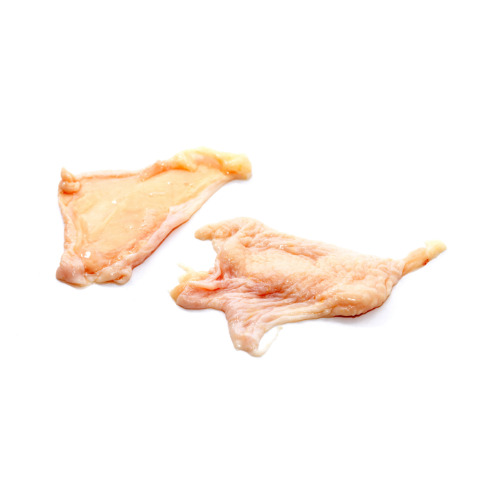
Can you buy chicken skin on its own?
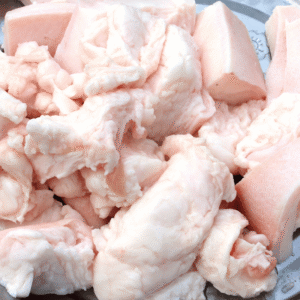
where to buy chicken skin Yes — raw chicken skin is available as a standalone product, though you won’t find it at most standard supermarkets. Specialty butchers and organic meat farms have recognized the demand, now selling it in convenient 1 lb to 3 lb frozen packs designed for culinary use.
Curious about is chicken skin healthy? That growing interest is exactly what pushed it from overlooked byproduct to sought-after specialty ingredient. Platforms like organic pasture-raised options now offer direct-to-consumer frozen packs from free-range birds — no butcher trip required.
The next question most buyers have: where exactly can you find it near you?
Where can I buy raw chicken skins near me?
Raw chicken skin is easier to source than most people expect — you just need to know where to look beyond the standard supermarket aisle.
- Asian grocery stores — Your best first stop. Asian markets routinely stock raw chicken skin as a standalone product, stocked for use in dumplings, broths, and rendered chicken fat uses like frying or seasoning woks.
- Specialty butcher shops — High-end or whole-animal butchers can pull skin to order. Call ahead; availability varies by day.
- Farm-to-door delivery — Services offering pasture-raised whole birds often include skin-only add-ons, with consistent quality and no last-minute store trips.
- Bulk wholesale suppliers — Heavy users can order from specialized meat wholesalers like Mad Butcher Meat Co. in quantities up to 40 lbs — practical for meal preppers, keto dieters, or small restaurants.
Once you’ve secured a reliable source, the next natural question is whether chicken skin actually deserves a place in a healthy diet.
Is chicken skin healthy to eat?
Chicken skin is far more nutritious than its reputation suggests, making it a legitimate staple for high-protein, low-carb diets when sourced thoughtfully.
Fat quality matters more than fat quantity. Organic chicken skin contains 5% to 13% less total fat and significantly lower saturated fat than conventional skin — a meaningful difference for health-conscious eaters. If you’re already searching where to buy raw chicken skins near me, prioritizing organic or pasture-raised options from sources like certified organic poultry farms gives you a better fat profile from the start.
Glycine is the underrated nutrient here. Chicken skin is a natural source of this amino acid, which supports collagen production for skin elasticity and joint health. That makes it especially valuable in nose-to-tail and carnivore-style eating patterns. However, portions still matter — balance skin consumption within your overall dietary goals.
The sourcing question doesn’t stop at location, though. How those birds were raised directly shapes what ends up in the skin — a point worth exploring next.
Why should I choose pasture-raised chicken skin?
Pasture-raised chicken skin is the cleanest option available — and that matters most precisely because fat and skin are where environmental toxins, pesticides, and agricultural residues tend to concentrate in poultry.
- Toxin accumulation: Conventionally raised birds often carry higher residue loads in fatty tissue. Choosing skin from pasture-raised chickens reduces that exposure significantly.
- Ethical and ecological benefits: Pasture-raised birds support biodiversity, soil health, and humane animal welfare standards — factors increasingly important to health-conscious buyers.
- Sourcing transparency: According to the FMI / Meat Institute Power of Meat Report, transparency about sourcing and animal welfare directly boosts consumer confidence in meat purchases.
When searching for where to buy uncooked chicken skin, prioritize suppliers who can confirm pasture-raised or free-range certification. Options like hormone-free, ethically raised birds set the standard worth seeking out. Once you’re confident in your source, the next question becomes how to make the most of every part of the skin — including the rich fat it renders during cooking.
What are the best rendered chicken fat uses?
Schmaltz — rendered chicken fat — is one of the most flavorful cooking fats in traditional cuisine, and the skin is your direct source for it.
If you’ve ever wondered whether you can buy chicken skin on its own just to render it, the answer is yes — and it’s well worth doing. The process is simple:
- Schmaltz: Melt skin slowly over low heat to collect golden, savory fat. Use it to sauté onions, roast vegetables, or replace butter in mashed potatoes.
- Pan drippings substitute: Schmaltz adds deep umami to grain dishes, matzo, or braised greens.
- Gribenes: The crispy cracklings left after rendering — essentially chicken chicharrones — are a prized byproduct worth eating on their own.
Rendered fat stores refrigerated for up to a month, making a bulk batch practical.
Can I find kosher chicken skin online?
Kosher-certified chicken skin is available online, but sourcing it requires knowing which retailers specialize in certified poultry parts. Grow & Behold is a primary provider for home cooks seeking kosher chicken skin, offering pasture raised chicken skin that meets strict dietary law requirements.
Key considerations for kosher skin:
- Certification matters: Look for reliable kosher symbols (OU, OK, KOF-K) on product pages before purchasing.
- Pre-salted by default: Kosher processing includes kashering — a salting step that draws out blood. This means kosher skin arrives partially seasoned, so adjust added salt in your recipe accordingly.
- Processing standards: Kosher slaughter and handling follow specific protocols that many buyers consider a trust signal for overall quality, similar to how pasture-raised labeling signals cleaner sourcing.
On the other hand, not every online butcher carries kosher-specific cuts, so availability can be limited. Searching for dedicated kosher meat retailers or specialty Jewish grocery delivery services broadens your options considerably.
Before cooking, proper prep and storage remain critical regardless of certification — which brings us to exactly how to handle raw chicken skin once it arrives.
How do I store and prep uncooked chicken skin?
Proper storage and prep are the difference between crispy results and a food safety risk. According to USDA Food Safety Guidelines, raw chicken skin must be kept at or below 40°F — freeze it immediately if you won’t cook it within 2 days.
Key steps:
- Refrigerate or freeze promptly. Wrap portions tightly in plastic wrap, then a freezer bag. Frozen skin keeps well for up to 3 months.
- Scrape excess fat. Use the back of a knife to remove subcutaneous fat before cooking — thinner skin renders more evenly and crisps faster.
- Prevent cross-contamination. Use a dedicated cutting board, wash hands thoroughly, and sanitize all surfaces after handling. This applies whether you’re working with conventional or kosher chicken skin.
If you prefer a leaner base protein alongside your skin, pasture-raised chicken fillets pair well when you’re rendering fat separately. Proper prep here sets the stage for the next question — understanding how finished skin products like chips and cracklings differ.
What is the difference between chicken skin chips and cracklings?
Chicken skin chips and cracklings are both crispy, high-protein snacks — but they’re made differently and deliver a distinct texture experience.
Chips are oven-baked or fried pieces of skin, typically seasoned and commercially packaged as a ready-to-eat snack. They tend to be thin, uniform, and light — closer to a potato chip in format. If you enjoy snacking on pasture-raised chicken wings, the skin pulled from similar cuts delivers that same rich flavor when crisped this way.
Cracklings — also called gribenes in Jewish cooking — are the byproduct of rendering chicken fat (schmaltz). The skin is slowly cooked down until the fat releases, leaving behind dense, chewy-to-crispy bits with a deeper, more savory flavor. They’re less uniform than chips and carry more complexity.
The distinction matters for recipe planning:
- Chips: faster prep, lighter texture, ideal as a standalone snack
- Cracklings: slower render, richer flavor, excellent as a topping or mixed into dishes
The market behind both formats is growing fast. The global chicken skin cracklings and chips market is projected to reach over $3.8 billion by 2033 (Research Intelo), reflecting surging demand for high-protein, low-carb snack alternatives. That demand ties directly into the dietary trends worth exploring next — particularly for keto and paleo eaters.
Is chicken skin suitable for a Keto or Paleo diet?
Chicken skin is one of the most diet-compatible ingredients for both Keto and Paleo frameworks — it contains zero carbohydrates and delivers a concentrated hit of fat and protein.
- Zero-carb profile: Chicken skin has no measurable carbohydrates, making it a clean fit for strict ketogenic macros where every gram counts.
- Fat-to-protein ratio: The high fat content relative to protein supports ketosis by fueling the body with lipids rather than glucose — exactly what the metabolic state requires.
- Nose-to-tail alignment: Paleo eating emphasizes using the whole animal, minimizing waste and honoring traditional food sourcing. Cooking with skin follows that philosophy directly. where to buy chicken skin
According to Growth Market Reports, chicken skin is increasingly recognized as a nutrient-dense, zero-carb snack alternative in high-protein diets. For shoppers who prioritize clean sourcing alongside dietary goals, exploring pasture-raised poultry options can align both values at once. That clean sourcing also affects price — which leads naturally to the question of what raw chicken skin actually costs.
How much does raw chicken skin typically cost?
Pasture-raised chicken skin costs more than conventional — and for most quality-conscious shoppers, that premium is worth it. Conventional skin often sells for a modest per-pound price, while pasture-raised or organic skin commands a noticeable markup, reflecting better farming practices and animal welfare standards. Organic meat sales surpassed $3 billion for the first time in 2024, signaling that demand for premium sourcing is mainstream, not niche.
Packaging sizes typically run in 1 lb and 3 lb formats — the larger size lowers the per-pound cost noticeably. If you cook in batches or render skin regularly, the 3 lb option delivers better value. Check current deals on premium cuts before committing to a single size, or reach out directly to confirm availability and bulk pricing. According to 9 Things to Consider When Buying Chicken, label claims like “pasture-raised” carry real traceability differences that justify the price gap.


Reviews
There are no reviews yet.