Why Organic Beef Sales Are Surging in the Modern Kitchen
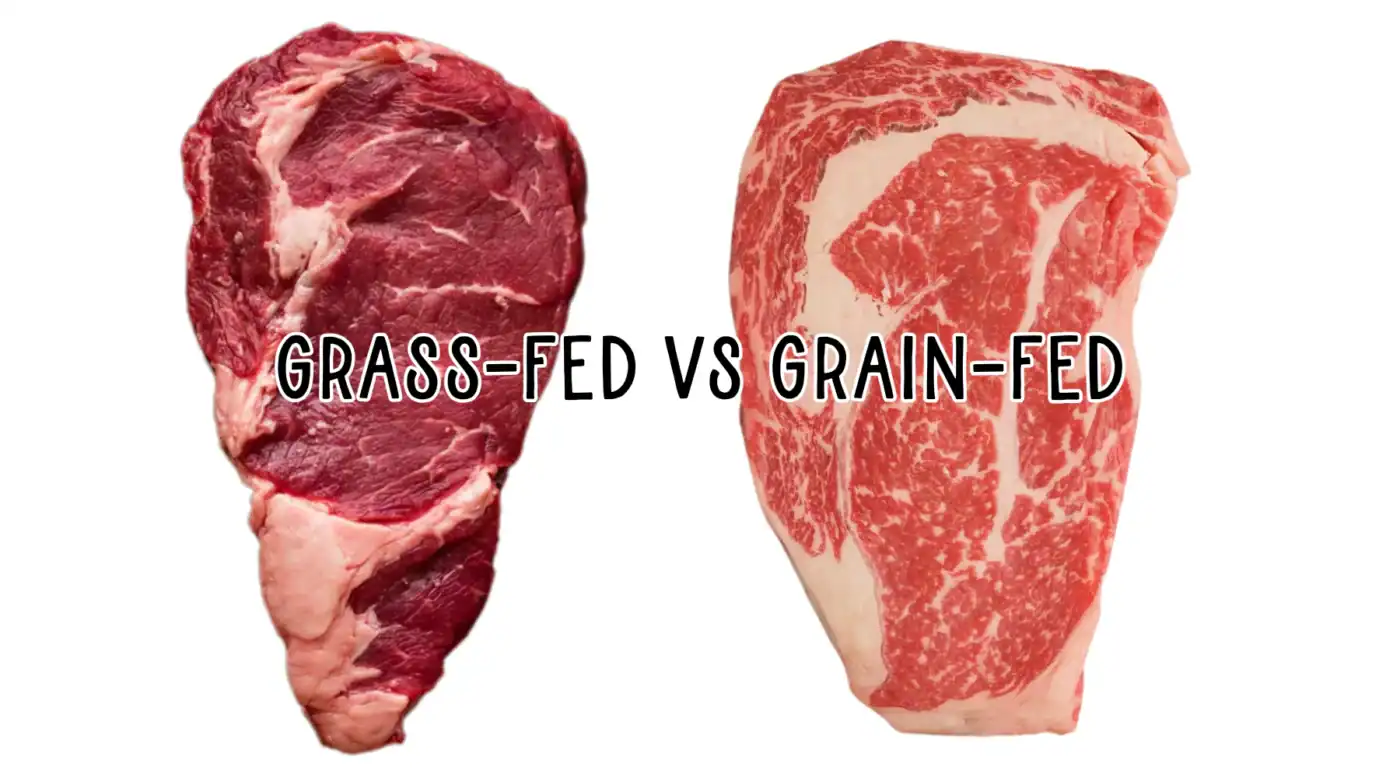
organic beef vs grass fed beef Shoppers are no longer just buying beef — they’re buying into a story, a standard, and a supply chain they can trust.
That shift is showing up in the numbers. According to the Organic Trade Association, organic beef sales in the U.S. surged by 36.7% in a single year — the highest growth rate of any food category. That’s not a trend. That’s a fundamental change in how Americans think about what’s on their plates.
The core driver isn’t price or prestige — it’s transparency. Research from FMI – The Food Industry Association found that 94% of consumers are likely to stay loyal to a meat brand that offers complete visibility into how its product was raised and processed. Modern shoppers aren’t satisfied with vague packaging claims. They want to know whether the animal was raised without synthetic hormones, whether antibiotics were used, and whether the land it grazed on was managed responsibly.
The conversation around organic beef versus grass-fed beef reflects exactly this appetite for clarity. Consumers are learning that labels can mislead as easily as they inform — and the story behind the cut matters as much as the cut itself. Whether you’re sourcing from a local ranch or exploring premium options delivered direct, understanding what those labels actually guarantee has become a non-negotiable first step.
That’s precisely where the terminology gets complicated — and where the real differences in health, farming practice, and flavor begin.
Organic vs. Grass-Fed: Decoding the Labels for Better Health
Understanding what’s actually on your beef label is the first step to making a purchase that genuinely supports your health — because “organic” and “grass-fed” are not the same thing.
USDA Organic certification is a federal standard. It means the cattle were raised without synthetic hormones, antibiotics, or GMO feed. As CCOF notes, when you see that seal, you’re looking at more than a marketing claim — it’s a legally enforced production standard. According to the National Institutes of Health, organic production also significantly alters the lipid profile of the meat, resulting in 17% less cholesterol and 32% less total fat compared to conventionally raised beef.
“Grass-fed,” on the other hand, describes diet — but it’s a term that can mislead. Many grass-fed cattle are grain-finished before slaughter, which reverses much of the nutritional benefit. Grass-finished is the gold standard: it means the animal ate forage exclusively from birth to harvest. As GoodRx explains, the distinction matters enormously for nutrient density and fat composition.
Here’s a quick breakdown of how the labels actually differ:
- Organic only: No antibiotics or GMOs, but diet may include organic grain
- Grass-fed only: Diet-focused standard, but conventional farming practices may still apply
- Grass-finished + Organic: The most rigorous combination — cleaner inputs and a forage-only diet
The problem is that neither label alone tells the full story, which is why sourcing from specific ranches matters. What some call an “Organic Beef Scorecard” approach — evaluating ranches on soil health, rotational grazing, and third-party certifications — gives consumers a much more complete picture than any single label can. You can explore how sourcing standards vary even within the organic category.
The best organic beef is both certified organic and grass-finished — and bridging that gap is exactly what separates commodity organic from truly premium beef. That nutritional gap, it turns out, goes much deeper than fat ratios alone — which is where the omega-3 story gets especially compelling.
The Nutritional Edge: 170% More Omega-3s
Organic beef nutrition isn’t just cleaner — it’s measurably more powerful, with fatty acid profiles that put conventional beef in a different category entirely.
The gap between pasture-raised and feedlot beef is not subtle. According to research published in the Journal of the Science of Food and Agriculture, organic beef contains 170% more alpha-linolenic acid (ALA) — a heart-healthy omega-3 — than conventional retail beef. That’s not a marginal improvement; it’s a fundamental difference in what ends up on your plate.
Pasture-raising changes the biology of the meat itself. When cattle graze on diverse forage, the plant-based omega-3s in the grass transfer directly into the animal’s tissue. Newcastle University researchers confirmed this mechanism, finding that pasture-raised beef contains “more than 40mg long-chain omega-3 per 100g of meat,” qualifying it as a recognized source of omega-3 fatty acids — a threshold conventional grain-fed beef rarely meets.
Beyond omega-3s, forage-fed cattle produce meat rich in additional bioactive compounds, including higher levels of conjugated linoleic acid (CLA), vitamin E, and beta-carotene. These aren’t incidental — they’re functional compounds linked to reduced inflammation and improved cardiovascular markers. Sourcing certified organic, grass-fed beef means you’re not just buying protein; you’re buying a functional food with a demonstrably different nutritional fingerprint.
That nutritional advantage, however, only holds when the beef is handled correctly — which makes the way it’s raised, processed, and delivered just as important as what the animal ate. That’s where flavor enters the conversation.
From Hating to Loving: Solving the Organic Ground Beef Flavor Gap
Organic ground beef tastes different from conventional beef — and once you understand why, that difference becomes something you actively seek out.
The most common complaint is a leaner, sometimes “gamier” taste that catches first-time buyers off guard. The culprit is almost always fat ratio and finishing method. Organic beef cattle raised on pasture carry less intramuscular fat than grain-finished animals, and that lower fat content changes both texture and flavor. It isn’t a flaw — it’s a marker of genuine quality. However, it does mean the cooking approach matters more than it does with fattier conventional ground beef.
The good news: a few simple adjustments close the gap entirely. Here are three cooking tips that make a real difference:
- Don’t overcook it. Leaner beef dries out faster. Pull ground beef off the heat at 160°F and let carryover cooking do the rest.
- Add a fat source. A drizzle of olive oil or a pat of grass-fed butter during cooking compensates for the lower marbling and keeps the texture rich.
- Season generously and early. Salt draws out moisture, then reabsorbs — seasoning at least 15 minutes before cooking develops deeper flavor throughout.
Sourcing also matters enormously. According to FMI’s Power of Meat Report, 73% of shoppers are willing to pay a premium for products with a clear, traceable origin — and there’s a reason for that instinct. Beef delivered fresh from a family ranch skips the weeks-long cold-chain delays of grocery retail, arriving with better color, aroma, and taste intact. The difference isn’t subtle.
As covered in Verde Farms’ breakdown of organic beef, what organic cattle eat and how they’re raised directly shapes the flavor profile on your plate. Understanding that connection transforms the experience from unfamiliar to intentional — and sets the stage for appreciating how those same ethical rearing practices ripple outward into something much bigger than your dinner table.
The Environmental Impact of Ethical Rearing
Asking organic beef health benefits leads most people straight to nutrition facts — but the deeper answer runs through the soil, the watershed, and the family ranch raising the cattle. Ethical rearing practices don’t just protect the consumer; they protect the entire ecosystem surrounding the farm.
Organic cattle farming actively supports biodiversity in ways conventional feedlot operations simply can’t. When ranchers rotate herds across open pasture, the land gets natural rest cycles that encourage native grasses, pollinators, and soil microbiomes to thrive. According to CCOF, ethically produced meats free from antibiotics and GMOs explicitly prioritize biodiversity and environmental protection — meaning every purchase carries a measurable ecological ripple effect. Without synthetic hormones entering the soil through runoff, local waterways and the wildlife that depend on them stay cleaner.
The farm-to-fork traceability model that defines family ranches adds another layer of accountability. When you source beef directly from a small operation — or visit a local farmers market for grass-finished cuts — you’re not just buying a product; you’re buying into a verifiable story of how that animal lived. That transparency creates a feedback loop: informed consumers reward sustainable ranchers, who in turn reinvest in land stewardship. Purchasing an organic beef share, in this light, functions less like a grocery transaction and more like a direct investment in agricultural practices worth preserving.
With the full picture now emerging — from fatty acid profiles to flavor to environmental responsibility — the remaining question is how to make sense of it all at the decision point.
The Bottom Line: What You Need to Know
Organic grass fed beef isn’t a premium trend — it’s a substantiated choice backed by nutrition science, transparent farming standards, and a measurable environmental payoff.
Here’s what the evidence actually shows:
- Higher Omega-3 and lower fat: Research published by the NIH confirms organic and grass-fed beef carries significantly higher Omega-3 fatty acids than conventionally raised alternatives. Separately, NIH data shows organic beef contains 17% less cholesterol and 32% less total fat — numbers that matter for long-term cardiovascular health.
- Clean label, verified standards: The USDA Organic certification isn’t marketing language. It legally prohibits antibiotics, synthetic hormones, and GMO feed throughout the animal’s life — a guarantee no conventional label can match.
- Transparency consumers demand: A striking 94% of consumers say traceability matters when buying meat. Direct-to-consumer sourcing from family farms delivers exactly that — a traceable chain from pasture to package that grocery store supply lines rarely provide.
- Grass-fed and finished is the gold standard: Grain-finishing dilutes the nutritional advantages built on pasture. Choosing beef that’s both certified organic and grass-finished locks in maximum nutrient density while supporting regenerative land practices. If you’re curious what that quality difference tastes like, grass-fed options sourced this way consistently outperform conventional beef on both flavor and nutrition metrics.
The core takeaway is straightforward: the label matters, but only when the farming practices behind it hold up. Organic certification combined with genuine grass-fed and finished raising is where health benefits, environmental sustainability, and ethical sourcing converge — not as a compromise, but as a complete package. The next question is simply where to find that package reliably.
Bringing the Farm to Your Table with Organic Fresh Beef
Choosing organic grass-fed beef is ultimately a decision about what you value — and where you’re willing to put your dollars to work. Throughout this article, the evidence has been consistent: nutrient density, antibiotic-free production, environmental stewardship, and supply chain transparency all converge in one category of meat. The question isn’t really why organic grass-fed beef is surging — it’s why it took this long.
Organic Fresh Beef.com makes the practical side of this shift straightforward. As a family-run farm specializing in ethically produced meats delivered directly to your door, they remove the guesswork that often comes with grocery store labels. Beef shares — available in full or half quantities — offer families an especially strong value proposition, combining bulk pricing with the assurance that every cut comes from the same traceable source. For households committed to quality without sacrificing convenience, a beef share is one of the most cost-effective ways to stock a freezer with protein you can trust.
Specialty items matter too. Options like gluten-free burgers and slow-smoked grass-fed pastrami mean that eating ethically doesn’t require compromising on variety or flavor. These aren’t afterthoughts — they’re a reflection of a farm that understands modern families need flexibility alongside quality.
The movement toward traceable, ethical meat consumption is already underway. Joining it doesn’t have to be complicated. Shop Organic Beef Shares and bring that commitment directly to your table.