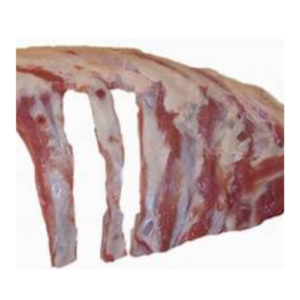
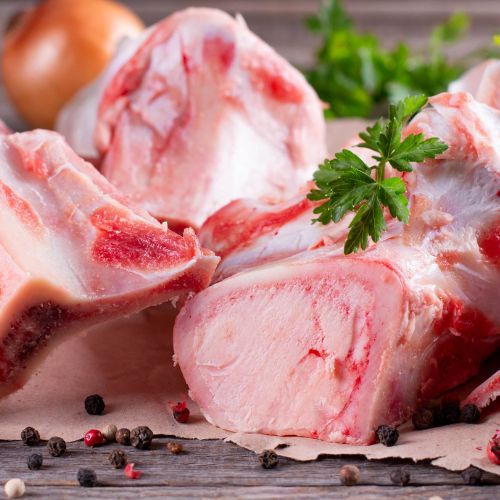
Organic Beef Stock Bones- 1Kg

$6.00
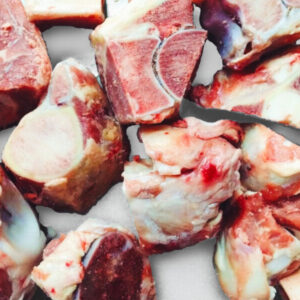
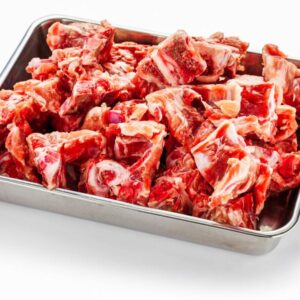
These Organic Beef Stock Bones are the perfect ingredient to make your own bone broth, soup stocks, sauces & gravies. They are dense with collagen, gelatin, micro nutrients and minerals. We would love to hear if these Organic Bones have had a positive impact on your health!
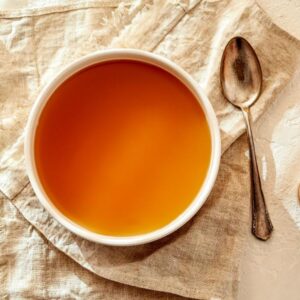
1kg makes approximately 2.5 litres of Bone Broth.
Our Organic Beef is sourced from our own organic farm at Coolanowle, Ballickmoyler, Co. Laois where we’ve been farming organically since 2001.
Now you can buy organic beef stock bones online to create rich, healing broths at home. First, we raise our cattle on certified organic pastures. Our family farm follows the strictest welfare standards for every animal. This means you get clean, GMO-free bones for your kitchen. In fact, these bones come from our 2024 European Organic Awards finalist farm. When you buy organic beef stock bones online from us, you support sustainable farming.
Buy Organic Beef Stock Bones Online — Create Nutrient-Dense Bone Broth
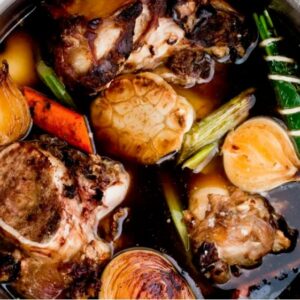
Next, consider the health benefits of homemade liquid gold. These organic bones are full of collagen and essential minerals. For example, many people use them to support gut health and joint function. Plus, making your own bone broth is easy and very affordable. Simply simmer them with water and your favorite organic vegetables for several hours. Then, enjoy a deep, savory flavor that store-bought stocks cannot match. You will get a 1kg pack of premium bones for just $6.00. This is a great way to eat well on a budget.
Versatility in Your Kitchen
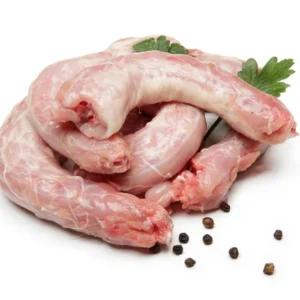
Also, these bones work perfectly for more than just soup. You can use them as a base for rich gravies or hearty stews. If you want to add more nutrition, pair them with organic beef liver. You can also mix them with our organic chicken carcass for a unique flavor blend. Our stock and bones category offers everything you need for a healthy pantry. Best of all, you know exactly where your food comes from. We take pride in our family-run operation. We want your family to eat the best meat possible.
Our Commitment to Quality
We deliver our premium meat worldwide directly from our organic farm. We never use antibiotics or growth hormones on our organic livestock. So, you receive only the highest quality products every time. After that, you will notice the difference in every spoonful of soup. But don’t wait too long to stock up on essentials. You should buy organic beef stock bones online today to boost your family’s health. We also suggest trying our organic beef fat for extra cooking flavor. In short, these bones are a kitchen essential for every healthy home. You get pure nutrition in every bag.
Related products
Organic Stock & Broth Bones
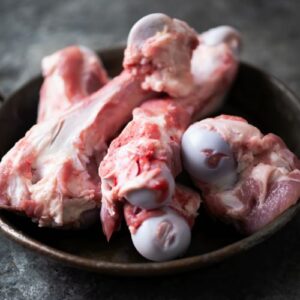
Organic, Grass-fed and Grass-finished Beef Knuckle Bones | 2.0 – 3.0 lbs.
Organic Stock & Broth Bones
Organic, Grass-fed and Grass-finished Beef Broth Bones | 2.0 – 2.2 lbs.