The Quality Myth: Why ‘Previously Frozen’ Duck is Often Fresher
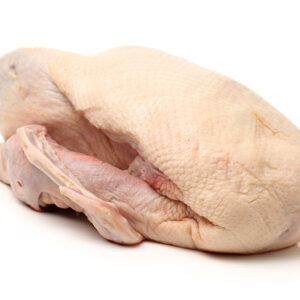
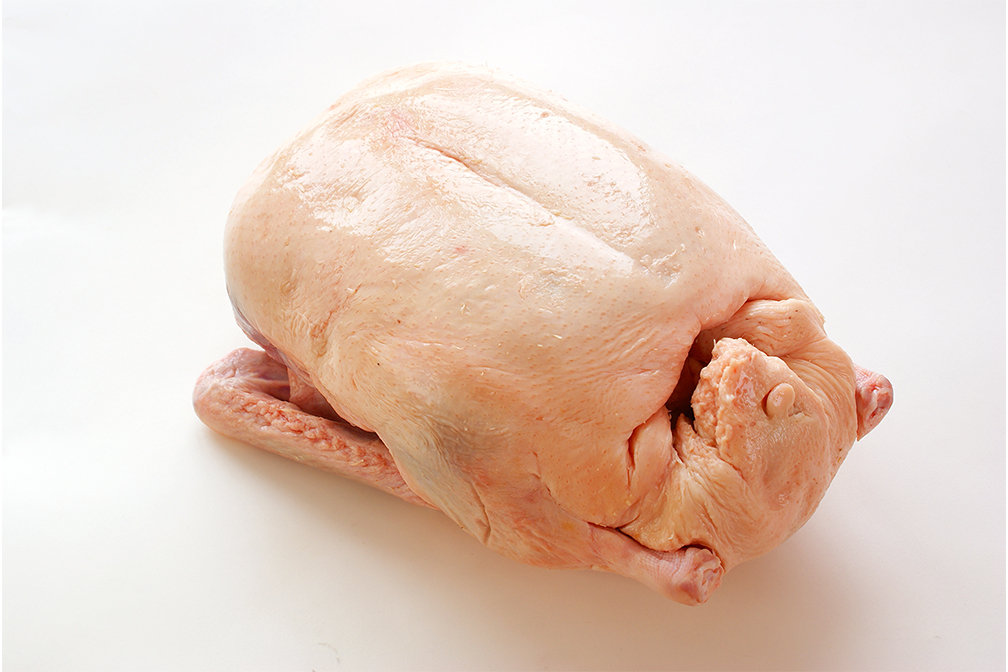
previously frozen whole duck The label “fresh” on a grocery store duck can be misleading — and for home cooks planning a whole duck recipe for the family table, that distinction genuinely matters.
What most shoppers don’t realize is that a “fresh” bird at the supermarket may have spent anywhere from several days to over a week in transit and cold storage before it ever reached the display case. Enzymatic activity and microbial growth don’t pause during that journey. By the time it reaches your kitchen, that “fresh” duck could be further from farm-gate quality than a duck that was frozen within hours of processing.
Flash-freezing at 0°F stops enzymatic spoilage in its tracks, locking in the nutritional profile and flavor the bird had at peak freshness. According to the USDA, freezing at this threshold preserves the full nutritional profile and eliminates the need for preservatives entirely. Pair that process with air-chilling — a method that keeps the bird dry and results in approximately 80% less surface bacteria compared to traditional water-chilling — and you have a product that arrives in better condition than many “fresh” alternatives.
The process used to bring ethically raised free-range duck to your door reflects exactly this standard: air-chilled, flash-frozen, and sealed at the point of peak quality. That foundation matters not just for food safety, but for what it means nutritionally — which is worth examining closely.
Nutritional Superiority of Free-Range Duck
Free-range duck is one of the most nutrient-dense proteins you can bring to your family’s table — and it outperforms common poultry in ways most home cooks never expect.
Duck is a mineral powerhouse. A 100g serving of free-range duck provides up to 109% of the daily value for selenium and 101% for iron, according to data from FoodStruct. Compare that to chicken breast, which delivers roughly 27% of the daily selenium value and far less iron per equivalent serving. For families managing energy levels, immune function, or iron-deficiency concerns, that difference is meaningful at every meal.
Foraging drives the nutritional gap. When ducks range freely — pecking through grass, insects, and natural vegetation — they build denser, more active muscle tissue than birds raised in confined conditions. As Timber Creek Farmer notes, “free range ducks have low incidence of abnormal wing and bone development… foraging and free ranging for food is a healthy option.” That natural movement produces meat with a deeper, more complex flavor profile — something you notice the moment you start learning how to prepare duck properly and let the quality of the bird speak for itself.
The connection between ethical rearing and nutritional outcome isn’t coincidental. Birds allowed to live and move as intended develop bodies that are biochemically richer. If you’re already investing in quality proteins — whether that’s responsibly raised poultry or premium cuts across the board — free-range duck belongs in that conversation. Once you understand what’s in this bird, the next logical question is how to handle it safely from freezer to table. previously frozen whole duck
Safe Handling: USDA Standards for Thawing and Prep
Safe duck handling is the bridge between a quality bird and a safe, delicious meal — and the rules are simpler than most home cooks expect. previously frozen whole duck
The refrigerator is the only safe thawing method for duck. The USDA’s golden rule is straightforward: allow approximately 24 hours of refrigerator thawing time for every 5 pounds of bird. A typical whole duck weighing 5–6 lbs needs at least a full day in the fridge before it’s ready to prep. Planning ahead here isn’t optional — it’s what separates a well-executed oven roasted duck from a food safety risk.
⚠️ Warning: Never thaw duck on the counter. Room-temperature thawing allows the outer layers of the bird to enter the bacterial danger zone (40°F–140°F) while the interior remains frozen. According to USDA food safety guidelines, rapid freezing at 0°F or below inactivates bacteria, yeasts, and molds — but improper thawing can reactivate that risk entirely.
Giblets and the internal cavity require their own attention. Remove giblets as soon as the cavity is accessible during thawing, rinse the interior under cold running water, and pat the entire bird dry. If you’ve sourced your bird from a trusted previously frozen free-range option, the quality is preserved — but hygiene during prep remains your responsibility.
Cooking from frozen is technically safe, provided the duck reaches an internal temperature of 165°F throughout — though expect roughly 50% longer cook times. In practice, refrigerator thawing consistently produces better texture and more even cooking, so it remains the preferred approach for any whole bird preparation.
The Secret to the Perfect Slow Roast Duck
A great slow roast duck isn’t a mystery — it’s the result of a few deliberate steps that transform a quality bird into something genuinely extraordinary.
The foundation of crispy duck skin is dryness. After thawing your bird using the safe methods covered earlier, pat it thoroughly dry with paper towels and place it uncovered on a rack in the refrigerator for at least 12 hours — ideally overnight. This air-drying process pulls surface moisture away from the skin, setting the stage for that deep, lacquered crunch that defines a perfectly roasted duck.
Fat rendering is the next critical technique. Before the duck goes into the oven, use a sharp skewer or the tip of a knife to prick the skin all over the breast and thighs — but stop short of piercing the meat beneath. This creates tiny escape routes for the thick subcutaneous fat to render out slowly during roasting, basting the bird from the inside while keeping the exterior gloriously crisp.
Temperature targets are where precision really matters. According to USDA and culinary standards, the duck internal temperature should reach 165°F throughout for full safety, though legs — which benefit from longer cooking — are often taken to 175°F to fully break down their connective tissue into succulent, pull-apart meat. Start your roast at 425°F for the first 15 minutes to jumpstart browning, then reduce to 325°F for the remainder.
Finally, resting the bird after cooking is non-negotiable. Tent loosely with foil and allow at least 15–20 minutes before carving. This pause lets the juices redistribute through the meat rather than pooling on your cutting board — the difference between a moist, cohesive slice and a dry, disappointing one.
One practical note: all of this works best with a fully thawed duck. What happens if you skip the thaw entirely is worth understanding before you commit to a roasting time.
Can You Cook Duck Directly from Frozen?
Cooking duck straight from the freezer is technically safe — but the trade-offs in texture, timing, and food safety make it a last resort rather than a reliable method.
According to the USDA Food Safety and Inspection Service, it is safe to cook poultry from the frozen state, but cooking time increases by approximately 50% compared to a fresh or fully thawed bird. For a duck that would normally roast in two hours, you’re now looking at three hours or more — and that extra time creates a real problem.
The core risk is uneven cooking. The exterior of a frozen bird heats up and begins to cook long before the interior reaches a safe temperature. The result is often overcooked, dry outer meat alongside undercooked flesh near the bone — a combination that’s both unpleasant and potentially unsafe. Duck’s higher fat content makes this problem more pronounced than with leaner poultry.
In a genuine pinch, a cold water thaw is a far better option than cooking from frozen. Submerge the sealed duck in cold water, changing it every 30 minutes — most birds thaw within a few hours using this method.
For the best results, however, neither shortcut compares to starting with a fully thawed duck. A slow roast duck depends on even, controlled heat from the very first minute in the oven — rendering fat gradually and developing that signature crisp skin. A frozen or partially frozen bird disrupts that entire process from the start. The bottom line on sourcing and prep choices deserves a closer look, and the next section ties it all together. previously frozen whole duck
The Bottom Line: What You Need to Know
A previously frozen whole duck — when sourced from an ethical, free-range farm — is genuinely one of the smartest and most nutritious choices you can bring to your table.
Flash-freezing locks in more than freshness — it locks in food safety. Market birds labeled “fresh” can spend days in transit and on display, accumulating bacterial load the entire time. Properly frozen duck, by contrast, is processed and sealed at peak condition, giving you a cleaner, safer product. Research consistently supports that free-range farming practices also contribute to better mineral density in the meat itself — notably higher levels of iron and selenium — a direct result of ducks foraging naturally rather than living in confined, sedentary conditions.
Opt for air-chilled birds whenever possible. Water-chilled poultry absorbs excess moisture during processing, diluting flavor and adding unnecessary weight you’re effectively paying for. Air-chilled, free-range options retain their natural fat profile and deliver crispier skin — a critical detail for any serious cook.
Thawing method matters more than most people realize. Refrigerator thawing over 24–48 hours preserves cellular structure in the meat, protecting the texture and ensuring the skin dries out sufficiently before roasting. Quick countertop thaws compromise both.
Here’s a fast-reference summary of the core principles:
- Previously frozen beats “fresh” transit birds for safety and nutrient retention
- Air-chilled, free-range processing eliminates water-weight and bacterial risk
- Ethical farming directly improves iron and selenium content in the meat
- Refrigerator thawing is non-negotiable for optimal texture and skin crispness
- Source matters — traceability and farming standards define what ends up on your plate
If free-range poultry with verified provenance appeals to you, it’s worth exploring other pasture-raised options alongside duck — the same ethical farming standards apply across the board.
From Our Farm to Your Table: The Organicfreshbeef Difference
Knowing exactly where your food comes from is no longer a luxury — it’s the standard that responsible eaters demand, and it’s the standard a family-run operation should be built around.
Traceability is at the heart of what sets a direct-to-consumer farm apart. When you order through a traditional grocery chain, your duck passes through distributors, cold-storage facilities, and retail intermediaries — each step adding distance between the animal’s origin and your plate. Buying direct collapses that chain entirely, giving you a clear, unbroken line from farm to doorstep.
Flash-freezing is the final quality checkpoint in that process. The low temperatures lock in moisture, flavor, and nutrients at peak freshness — so whether you’re planning a holiday centerpiece or a weeknight roast, the product that arrives is indistinguishable in quality from a bird harvested that morning. And if you’ve ever wondered is it okay to cook duck from frozen, the honest answer is yes — though allowing a proper thaw always delivers the best result, as covered earlier.
Beyond duck, the same antibiotic-free, ethically raised philosophy carries across a full range of proteins. No antibiotics, no shortcuts, no compromises — from poultry to beef — is the commitment every order reflects.
Ready to bring that difference to your table? Browse the full selection of pasture-raised meats and experience what transparent, farm-direct sourcing actually tastes like. previously frozen whole duck


Reviews
There are no reviews yet.