How To Cook Beef Liver: Easy Ways, Amazing Results
Introduction: Mastering the Art of Cooking Liver
Learning how to cook beef liver is one of the most rewarding culinary skills you can develop opening the door to one of the most nutrient-dense foods on the planet. For many people, the thought of cooking liver evokes memories of tough strongly flavoured meals that were endured rather than enjoyed. But the truth is that when liver comes from sourcing well and cooked correctly, it can be tender flavourful, and genuinely delicious. The secret lies in understanding a few key principles: choosing the right liver, preparing it properly . cooking it briefly over high heat to preserve both its texture and its nutritional value.
The question of how to cook beef liver is not just about technique — it is also about nutrition. Liver is extraordinarily rich in vitamin B12, vitamin A, iron, folate . copper, but many of these nutrients are heat-sensitive and can be degraded by overcooking. This means that the way you prepare liver directly affects not only its taste and texture but also its health benefits. A quick careful cooking method preserves the maximum nutritional content while producing a far more palatable result than the overcooked leathery liver that has given this food its unfair reputation.
What This Means for You
In this comprehensive guide, we will walk you through every step of the process . from selecting the best liver to preparing it, cooking it, and serving it with complementary flavours. Whether you are cooking liver for the first time or looking to improve your technique this article will give you everything you need to master how to cook beef liver with confidence. And if you need help finding quality liver to cook, check out our guide on where can I get beef liver.
How to Cook Beef Liver: Step 1 Choose the Right Liver
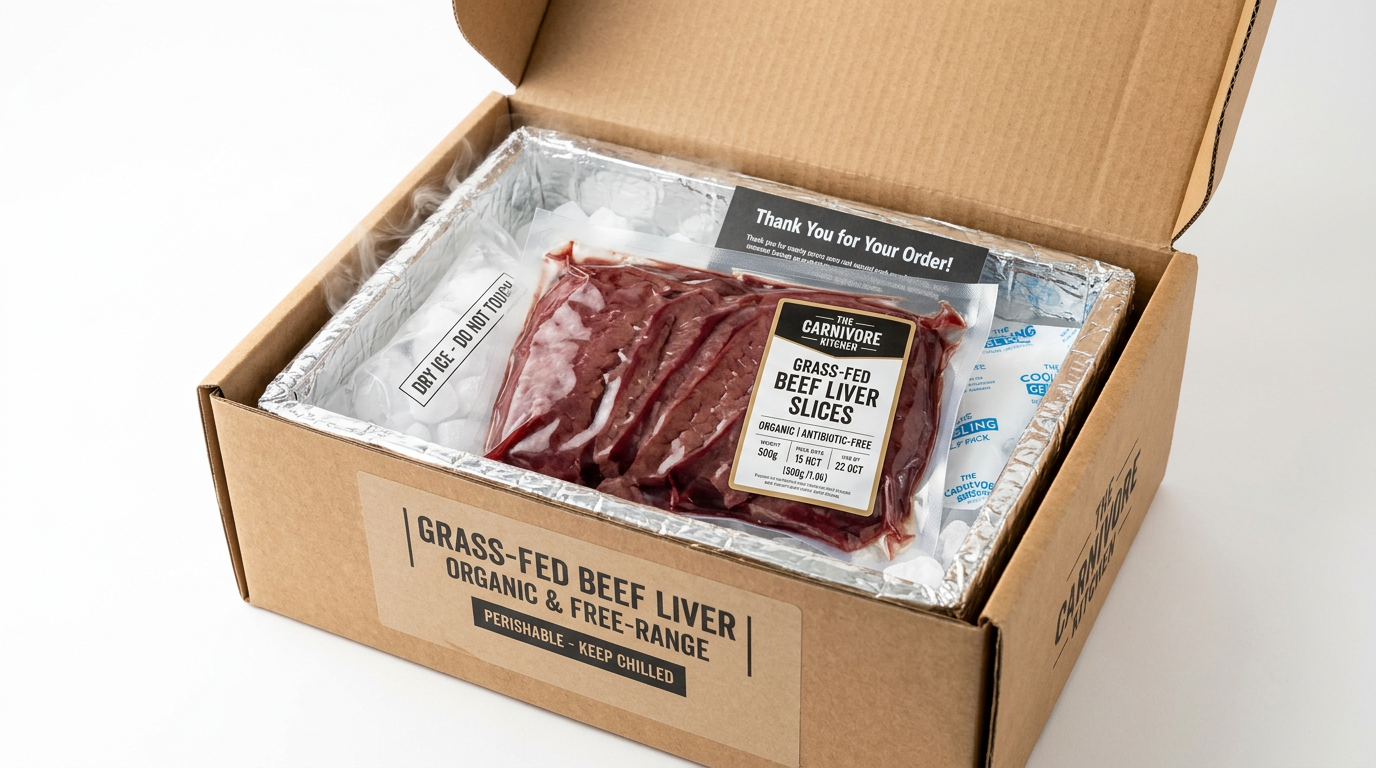
The first and most important step in learning how to cook beef liver is starting with a quality product. The liver you choose will have a dramatic impact on the flavour, texture, and nutritional value of the final dish. There are several factors to consider when selecting liver:
Grass-Fed vs Grain-Fed: As we explored in our article on grass-fed beef liver benefits, liver from grass-fed cattle has a superior nutritional profile, with higher levels of omega-3 fatty acids, CLA and fat-soluble vitamins. Grass-fed liver also tends to have a cleaner, milder flavour compared to liver from grain-fed animals. Whenever possible, choose grass-fed or organic liver for the best results.
Calf’s Liver vs Mature Beef Liver:Calf’s liver (also called veal liver) comes from young cattle and is milder in flavour, lighter in colour . more tender in texture. It is an excellent choice for beginners or anyone who finds the taste of mature liver too strong. Mature beef liver, from adult cattle, has a deeper, richer flavour and darker colour. While some prefer this robust taste, it can be more challenging for those new to eating liver. If you are just learning how to cook beef liver, we recommend starting with calf’s liver.
Key Considerations
Freshness: Quality liver should be a deep, rich reddish-brown colour with a smooth, glossy surface. Avoid liver that looks dull, has dark spots or discolouration, or has a slimy texture. The smell should be clean and mildly sweet . a strong, pungent, or ammonia-like odour is a sign that the liver is past its prime. If buying frozen liver, ensure the packaging is intact with no signs of freezer burn.
For sourcing quality liver, check out our guide to the best place to buy beef liver online, or consider our Organic Offal Box which includes premium organ meats from pasture-raised cattle.
How to Cook Beef Liver: Step 2 Prepare the Liver
Proper preparation is the key to transforming liver from a challenging ingredient into a delicious meal. If you want to master how to cook beef liver, the steps you take before the liver ever touches the pan are just as important as the cooking itself.
Trimming and Slicing
Start by rinsing the liver under cold water and patting it dry with paper towels. Examine the liver for any visible connective tissue, blood vessels, or membranes, and trim these away with a sharp knife. While this step is not strictly necessary, removing tough connective tissue will result in a more tender final product.
Next, slice the liver into pieces that are approximately 1/4 to 1/2 inch thick. Thinner slices cook more quickly and evenly, which is critical for preventing overcooking. Cut against the grain if possible, as this shortens the muscle fibres and produces a more tender bite. Uniform slicing ensures that all pieces cook at the same rate, preventing some from being overcooked while others remain undercooked.
The Milk Soak: The Secret to Milder Flavour
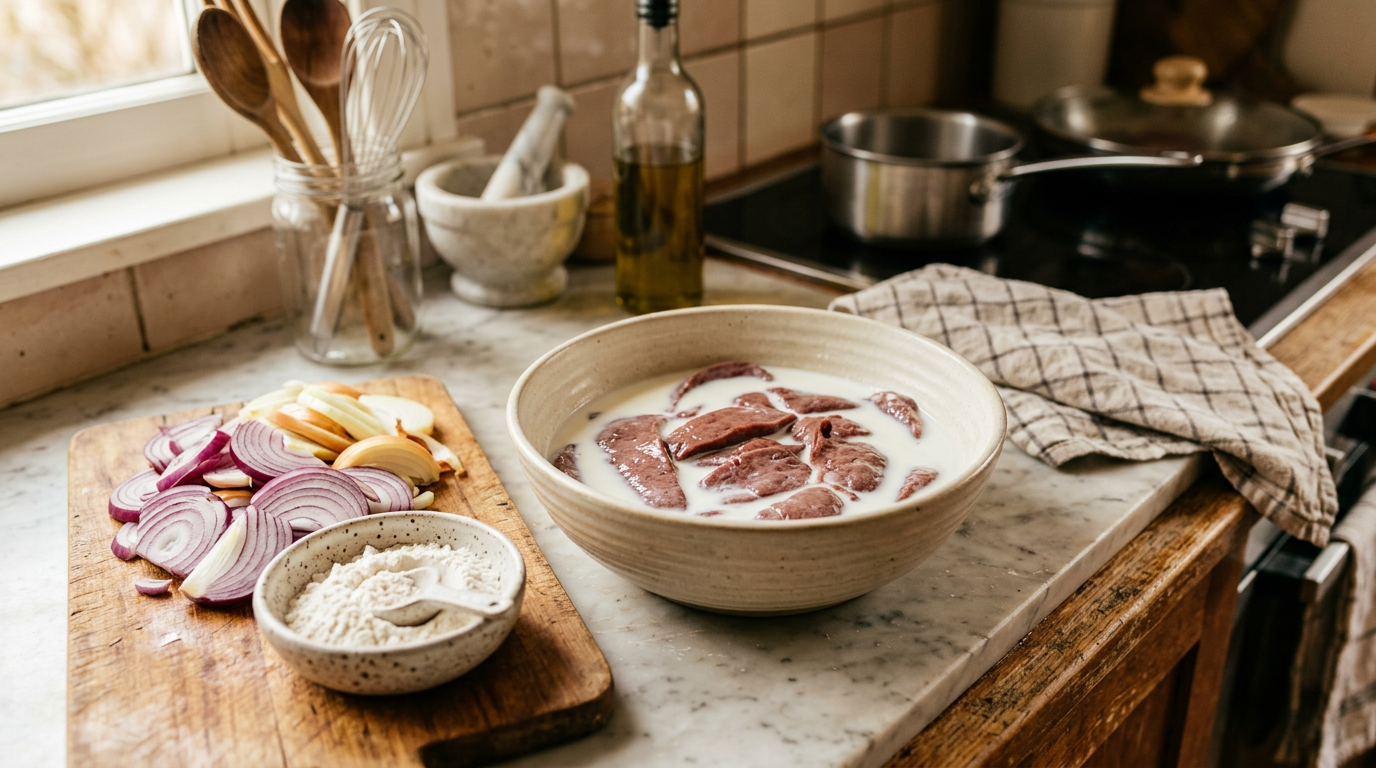
One of the most effective techniques for mellowing the strong flavour of liver is soaking it in milk before cooking. This simple step draws out some of the bitter compounds and blood that contribute to liver’s characteristic metallic taste . This results in a milder, more pleasant flavour. To soak liver in milk:
- Place the sliced liver in a shallow dish or bowl.
- Pour enough whole milk (or buttermilk for even better results) to completely submerge the liver.
- Cover and refrigerate for 30 to 60 minutes. Some people prefer to soak overnight, but 30-60 minutes is usually sufficient.
- Drain the milk and pat the liver dry with paper towels before cooking.
According to Healthline’s guide to cooking organ meats, the milk soak is the single most important step for making liver palatable . This is especially for those who are new to eating it. You can also soak liver in lemon water or water with a splash of vinegar for a similar effect . Though milk tends to produce the mildest result.
Optional: Coating with Flour or Seasoning
After soaking and drying the liver, you may choose to coat it lightly in seasoned flour before cooking. This creates a delicate crust that adds texture and helps the liver retain moisture during cooking. To make a simple seasoned flour coating, combine all-purpose flour with salt, black pepper, paprika . any other spices you enjoy. Dredge each slice of liver in the flour mixture, shaking off excess, before cooking.
If you prefer to avoid flour, you can simply season the liver with salt, pepper, and herbs just before cooking. Either approach works well — the choice is largely a matter of personal preference and dietary considerations.
How to Cook Beef Liver: Step 3 Cooking Methods
Now we arrive at the heart of the matter: how to cook beef liver using various methods. The fundamental rule for all methods is the same — cook liver briefly and do not overcook it. Liver becomes tough, dry, and grainy when cooked past medium . So aim for a quick sear that leaves the centre slightly pink. Here are the most popular and effective cooking methods:
Method 1: Pan-Fried Liver with Onions (Classic)
This is the most traditional and beloved method for cooking beef liver . it is the best starting point for anyone learninghow to cook beef liver. The combination of caramelised onions and quickly seared liver is a classic for good reason . the sweetness of the onions perfectly balances the richness of the liver. Here is a step-by-step recipe:
Ingredients:
- 1 pound beef liver, sliced 1/4 inch thick
- 2 large onions, thinly sliced
- 1/2 cup whole milk (for soaking)
- 1/4 cup all-purpose flour
- 1 teaspoon salt
- 1/2 teaspoon black pepper
- 1/2 teaspoon paprika
- 3 tablespoons butter or bacon fat
- 2 tablespoons olive oil
- Optional: fresh parsley, thyme, or sage for garnish
Instructions:
What This Means for You
- Soak the liver slices in milk for 30-60 minutes in the refrigerator, then drain and pat dry.
- In a shallow dish, combine the flour, salt, pepper, and paprika. Dredge each liver slice in the seasoned flour, shaking off excess.
- In a large skillet, heat 1 tablespoon of butter and 1 tablespoon of olive oil over medium heat. Add the sliced onions and cook slowly, stirring occasionally, until they are golden brown and caramelised — about 15-20 minutes. Remove the onions from the pan and set aside.
- In the same skillet, increase the heat to medium-high and add the remaining butter and olive oil. When the fat is hot and shimmering, add the liver slices in a single layer without crowding the pan. Work in batches if necessary.
- Cook the liver for 2-3 minutes on the first side, until a golden crust forms. Flip and cook for an additional 1-2 minutes on the other side. The liver should be browned on the outside but still slightly pink in the centre.
- Return the caramelised onions to the pan and toss gently to combine. Cook for 30 seconds to warm through.
- Season with additional salt and pepper to taste, garnish with fresh herbs, and serve immediately.
This classic preparation is endorsed by numerous cooking experts. Healthy Recipes Blogs offers an excellent version of this recipe with additional tips, while Julia’s Simply Southern provides a comforting Southern-style variation with gravy.
Method 2: Liver and Bacon
Bacon and liver are a natural pairing . the smoky, salty flavour of bacon complements the rich, earthy taste of liver beautifully. This method involves cooking bacon until crisp, then using the rendered bacon fat to sear the liver. The crispy bacon pieces can be crumbled over the finished dish for added texture and flavour.
To prepare liver and bacon, follow the same preparation steps (soak, slice, coat with seasoned flour) then cook 4-6 strips of bacon in a skillet until crisp. Remove the bacon and set aside. In the bacon fat, sear the liver slices for 2-3 minutes per side. Serve the liver topped with crumbled bacon and a side of caramelised onions or sautéed mushrooms. The Vintage Kitchen Vixen recipe includes bacon in their liver and onions preparation for extra depth of flavour.
Method 3: Beef Liver Pâté
For those who find the texture of cooked liver challenging, pâté is an excellent alternative. Pâté transforms liver into a smooth, creamy spread that can be enjoyed on toast, crackers, or vegetables. It is also a great way to use liver that has been frozen as the texture differences are less noticeable when the liver is puréed. Here is a simple method for making beef liver pâté:
Ingredients:
- 1 pound beef liver, cleaned and trimmed
- 1 large onion, chopped
- 3 cloves garlic, minced
- 1/2 pound unsalted butter, softened
- 2 tablespoons olive oil
- 2 tablespoons brandy or cognac (optional)
- 1 teaspoon fresh thyme leaves
- Salt and pepper to taste
- Fresh parsley for garnish
Instructions:
Practical Takeaways
- In a large skillet, heat the olive oil over medium heat. Add the chopped onion and cook until softened and translucent, about 5 minutes.
- Add the garlic and cook for 1 minute more.
- Add the liver pieces to the skillet and cook for 2-3 minutes per side, until browned on the outside but still slightly pink inside.
- If using, add the brandy and cook for 1 minute, scraping up any browned bits from the pan.
- Remove from heat and let cool for 10 minutes.
- Transfer the liver, onions, garlic, and any pan juices to a food processor. Add the softened butter, thyme, salt, and pepper.
- Process until completely smooth, scraping down the sides as needed. The mixture should be silky and spreadable.
- Taste and adjust seasoning. Transfer to a serving dish or ramekin, smooth the top, and refrigerate for at least 2 hours to allow the flavours to meld and the pâté to set.
- Serve chilled, garnished with fresh parsley and a pat of butter on top, with toasted baguette slices or crackers.
For a professional-quality pâté recipe, Lily Nichols RDN’s grass-fed beef liver pâté is an excellent resource, with detailed instructions and nutritional information.
Method 4: Grilled or Broiled Liver
Grilling or broiling liver is less common but can produce excellent results, particularly if you enjoy a slightly smoky flavour. The key is to cook the liver very quickly over high heat as the dry heat of a grill or broiler can easily overcook the liver and make it tough.
To grill liver, cut it into thicker slices (about 1/2 inch) and marinate in a mixture of olive oil, lemon juice, garlic . herbs for 30 minutes. Preheat the grill to high and cook the liver for 2-3 minutes per side, watching carefully to avoid overcooking. Baste with additional marinade during cooking to keep the liver moist. Serve immediately with a squeeze of fresh lemon juice.
Step 4: Flavour Pairings and Serving Suggestions
One of the keys to enjoying liver is pairing it with complementary flavours that enhance its natural richness and balance its earthy taste. When learning how to cook beef liver, experimenting with different flavour combinations can help you discover preparations that you genuinely look forward to eating.
Best Flavour Pairings for Beef Liver
Onions: The classic pairing for a reason. Caramelised onions add sweetness that balances liver’s richness. Red onions, sweet onions, and shallots all work well.
Bacon: The smoky, salty flavour of bacon is a natural complement to liver. Use bacon fat for cooking and crumbled bacon as a garnish.
Acidic Ingredients: Lemon juice, balsamic vinegar, and wine all help cut through the richness of liver and brighten its flavour. A squeeze of lemon just before serving can transform the dish.
Herbs: Sage, thyme, rosemary, and parsley are all excellent herbs for liver. Sage in particular has an affinity for liver and serves in many traditional European liver preparations.
Mustard: Dijon mustard, either as a condiment or incorporated into a sauce, adds a pungent kick that pairs beautifully with liver.
Mushrooms: Sautéed mushrooms add an earthy, umami dimension that complements liver’s flavour. Try a mixture of button, cremini, and shiitake mushrooms for depth.
Side Dish Suggestions
Liver pairs well with a variety of side dishes that can round out the meal and provide additional nutritional benefits:
- Mashed potatoes: The creamy, starchy base is the perfect foil for liver and its rich pan sauce.
- Roasted root vegetables: Carrots, parsnips, and turnips add sweetness and texture.
- Sautéed greens: Spinach, kale, or Swiss chard provide additional iron and a nice bitter contrast.
- Crusty bread: For soaking up the delicious pan juices and onions.
- Rice or polenta: A neutral base that absorbs the flavours of the dish.
Common Mistakes to Avoid When Cooking
As you master how to cook beef liver, there are several common mistakes that can undermine your efforts. Being aware of these pitfalls will help you avoid them and achieve consistently good results:
Overcooking: This is the most common and most damaging mistake. Overcooked liver is tough, dry, and grainy, with a concentrated, unpleasant flavour. Cook liver quickly over high heat and remove it from the pan as soon as it is browned on the outside but still slightly pink in the centre. Remember: you can always cook it a little more, but you cannot undo overcooking.
Skip the milk soak: If you find liver too strong-tasting, do not skip the milk soak. This simple step can make the difference between a dish you enjoy and one you struggle to finish. Even 30 minutes of soaking can significantly mellow the flavour.
Crowding the pan: If you add too many liver slices to the pan at once the temperature will drop and the liver will steam rather than sear. This produces a grey, rubbery result rather than a golden, flavourful crust. Cook in batches if necessary, and give each slice enough space.
What This Means for You
Using dull knives: Liver is a delicate tissue that tears easily. A sharp knife will give you clean, even slices . While a dull knife will mangle the liver and produce uneven pieces that cook at different rates.
Not letting the pan get hot enough: For a good sear, the pan and fat need to be hot before the liver goes in. A properly preheated pan ensures a quick, even crust that locks in moisture and flavour.
Pressing down on the liver: Resist the temptation to press the liver with a spatula while it cooks. This squeezes out the juices and produces a dry, tough result. Let it cook undisturbed and flip it gently.
Nutritional Considerations for Cooking
Understanding the nutritional impact of different cooking methods is an important aspect of how to cook beef liver for maximum health benefits. As we discussed in our article on grass-fed beef liver benefits, liver packs with heat-sensitive nutrients that can be degraded by excessive cooking.
Vitamin C, folate, and some B vitamins are particularly sensitive to heat. Quick cooking methods that minimise exposure to high temperatures . such as pan-searing — preserve more of these nutrients than slow, prolonged cooking. This is another reason to avoid overcooking: not only does it produce a less palatable result . But it also reduces the nutritional value of the liver.
Cooking liver with healthy fats like butter, ghee, or olive oil can actually enhance the absorption of fat-soluble vitamins (A, D, E . K) by providing the dietary fat needed for their absorption. Adding vitamin C-rich ingredients like a squeeze of lemon juice can improve iron absorption. According to Healthline’s nutritional analysis, pairing liver with the right foods can significantly boost the bioavailability of its nutrients.
How to Store and Reheat Cooked Meats
If you have leftover cooked liver, proper storage is important for both safety and quality. Cooked liver can be stored in an airtight container in the refrigerator for 3-4 days. When reheating, do so gently . use a low heat on the stovetop or a short burst in the microwave, just until warmed through. Avoid prolonged reheating, as this will further toughen the liver and degrade its nutrients.
Cooked liver also freezes well. Allow it to cool completely, then store in a freezer-safe container for up to 3 months. Thaw overnight in the refrigerator and reheat gently. Liver pâté can be frozen for up to 2 months and actually improves in flavour after a day or two in the refrigerator as the ingredients meld together.
For raw liver, if you cannot cook it within 1-2 days of purchase, freeze it immediately. Portion it into individual servings before freezing so you can thaw only what you need. Frozen raw liver will maintain quality for 4-6 months. Always thaw liver in the refrigerator, never at room temperature.
Creative Ways to Incorporate Liver Into Your Diet
If you are still working on enjoying the taste of liver there are many creative ways to incorporate it into your meals without making it the star of the dish. Here are some ideas for sneaking liver into familiar recipes:
Liver meatballs: Grate or finely chop liver and mix it into your favourite meatball recipe. The liver adds nutrients without dominating the flavour, especially when combined with beef, pork, and aromatic herbs.
Liver in Bolognese sauce:Finely diced liver can be added to a rich tomato Bolognese sauce . There, it dissolves into the sauce and adds depth and nutrition without being detectable.
Liver burgers: Mix a small amount of ground liver into hamburger patties for a nutrient boost. Start with a ratio of 1 part liver to 4 parts ground beef and adjust to taste.
Liver jerky: Thinly sliced liver can be dehydrated into jerky, seasoned with soy sauce, garlic, and spices. This is a portable, snackable way to get your liver intake.
Hidden in meatloaf:Grated liver blends seamlessly into meatloaf . There, the other ingredients and seasonings mask its flavour while you reap the nutritional benefits.
These approaches are particularly useful for serving liver to family members who may be resistant to eating it openly. Over time, as palates adjust, you can gradually increase the proportion of liver and transition to more liver-forward dishes.
Equipment Recommendations
Having the right equipment can make a significant difference when learning how to cook beef liver. Here are the essential tools for liver preparation:
A sharp chef’s knife: For clean, even slicing of liver. A dull knife will tear the delicate tissue and produce uneven results.
A cast iron or heavy-bottomed stainless steel skillet: These materials retain heat well and produce an excellent sear. Non-stick pans can work but do not develop the same crust.
A food processor or blender: Essential for making pâté and other puréed liver preparations.
Cutting board: A dedicated cutting board for raw meat, preferably one that can be sanitised easily.
Tongs or a thin spatula: For flipping liver slices gently without tearing them.
Frequently Asked Questions About Cooking Beef Liver
How long should I cook it?
Beef liver should be cooked quickly — typically 2-3 minutes per side for 1/4-inch slices in a hot pan. The goal is to achieve a golden crust on the outside while keeping the centre slightly pink. Total cooking time should rarely exceed 5-6 minutes. Remember, undercooked liver can be fixed, but overcooked liver cannot.
Do I have to soak it in milk?
No, soaking is optional, but it is highly recommended if you find the taste of liver too strong. The milk soak draws out bitter compounds and produces a milder, more pleasant flavour. If you enjoy the natural taste of liver, you can skip this step.
Can I cook liver from frozen?
It is not recommended to cook liver directly from frozen, as this leads to uneven cooking. Always thaw liver completely in the refrigerator before cooking. Once thawed, pat it dry and proceed with your recipe as normal.
Is it safe to eat when pink in the middle?
Yes, it is safe to eat beef liver that is slightly pink in the centre as long as the exterior has been properly seared. The USDA recommends cooking beef to a minimum internal temperature of 145°F (63°C), which corresponds to medium doneness. Using a meat thermometer can help you achieve the right level of doneness without overcooking.
How often should I eat it?
Nutrition experts generally recommend eating liver once or twice per week in portions of 3-6 ounces. This frequency provides ample nutrients without risking excessive intake of vitamin A or copper. For more details on optimal consumption patterns, see our article on grass-fed beef liver benefits.
Conclusion: Your Journey to Perfectly Cooked Liver
Mastering how to cook beef liver is a journey that rewards patience, experimentation, and a willingness to challenge preconceptions. By starting with quality grass-fed liver, preparing it properly with a milk soak, cooking it briefly over high heat . pairing it with complementary flavours you can transform this nutritional powerhouse into a dish that you genuinely enjoy and look forward to eating. The key principles are simple: choose good liver, treat it gently, cook it quickly, and never overcook.
The effort is well worth it. Beef liver is one of the most nutrient-dense foods available, offering unparalleled concentrations of vitamin B12, vitamin A heme iron, folate, copper, and choline. By incorporating it into your diet just once or twice per week you can significantly improve your nutritional status and support energy, brain health, immune function, and overall wellbeing. And with the variety of cooking methods and recipes available . from classic liver and onions to silky pâté — there is a preparation to suit every palate.
Ready to put your new skills into practice? Start by sourcing quality grass-fed liver — explore our Organic Offal Box for premium organ meats, or read our guide to the best place to buy beef liver online. For more information on the nutritional benefits, don’t miss our article on grass-fed beef liver benefits, and for help finding liver near you, see where can I get beef liver. You can also explore our organic offal collection (page 2) and complete range of organic meat bundles for more premium, pasture-raised cuts delivered to your door.
