Where Can I Get Beef Liver: Easy Ways, Amazing Results
Introduction: The Growing Demand for Quality Beef Liver
If you have ever wondered where can I get beef liver that is worth eating, you are not alone. Beef liver has enjoyed a remarkable resurgence in popularity. More people now discover its extraordinary nutritional density and embrace nose-to-tail eating. Once a humble cut for traditional family dinners, beef liver now attracts health enthusiasts, athletes, and paleo followers alike. These buyers want maximum nutrients without synthetic supplements. The challenge is not just finding beef liver. It is finding high-quality, grass-fed, organic beef liver from ethically raised animals.
Why Sourcing Matters More Than Ever
The question of where can I get beef liver matters enormously. The quality of the liver you consume directly affects its nutritional value and safety. Liver serves as the body’s primary filtration organ. Animals raised on poor diets, given antibiotics, or exposed to pesticides can accumulate toxins in their livers. This is why sourcing beef liver from grass-fed, organically raised cattle is so important. When you choose liver from pasture-raised animals, you get a cleaner, more nutrient-dense product. It delivers the full spectrum of benefits this superfood offers.
In this guide, we will walk you through every option for sourcing quality beef liver. We cover local butchers, farmers markets, online retailers, and farm delivery services. We also explain what to look for and what to avoid. Whether you are a seasoned liver lover or a curious first-time buyer, this guide answers where can I get beef liver once and for all.
Why Quality Matters When Sourcing Organ Meats
Before we explore specific places to find beef liver, understand why quality should top your priority list. Liver functions as the body’s detoxification centre. This does not mean the liver stores toxins — a common misconception. It does mean the overall health of the animal directly impacts the liver’s nutritional profile and safety. Cattle that graze on diverse, chemical-free pastures produce richer livers. These livers contain more vitamins, minerals, and beneficial compounds than those from feedlot animals.
According to Healthline’s comprehensive review of liver as a superfood, a single 3.5-ounce serving of beef liver contains over 600% of the daily recommended intake of vitamin A. It also provides over 700% of vitamin B12, plus significant amounts of copper, iron, and folate. Studies suggest the bioavailability of these nutrients is higher when the liver comes from grass-fed animals. Grass-fed cattle accumulate more omega-3 fatty acids, conjugated linoleic acid, and fat-soluble vitamins. They get these from a diet rich in fresh forage.
When you ask where can I get beef liver, you really want a product that delivers these nutritional benefits. You want them without the downsides of conventional farming. The answer lies in seeking sources that prioritise animal welfare, pasture-based feeding, and organic certification. For more on organ meat nutrition, Healthline’s guide to organ meats provides an excellent overview.
Where Can I Get Beef Liver: Local Sources
Local Butchers: Where to Find Beef Liver in Your Area
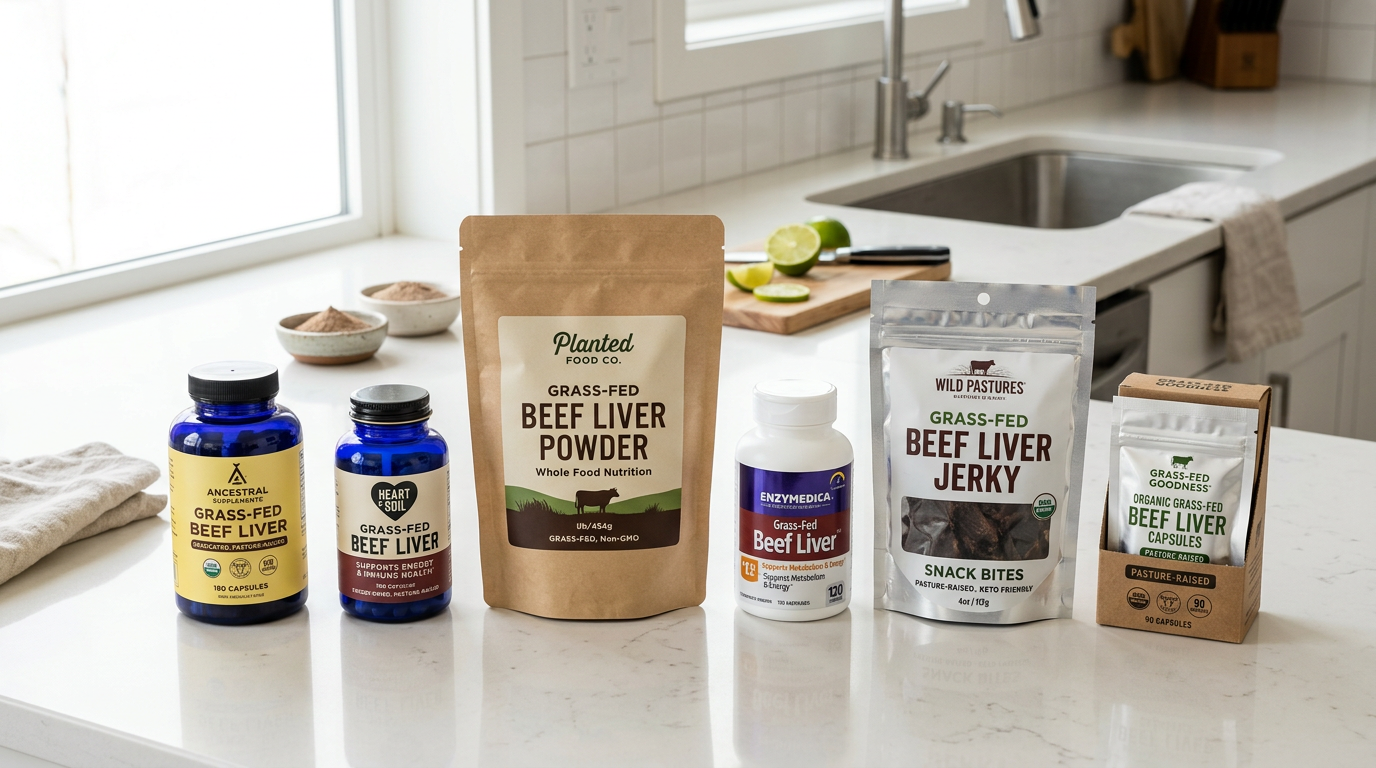
Your local independent butcher offers one of the best answers to where can I get beef liver. Supermarket meat counters often stock only the most popular cuts. Traditional butchers typically have access to the full range of offal and organ meats, including liver. Many butchers receive whole or half carcasses from local farms. They have liver available even if they do not display it in the front case. The key is to ask. Simply call or visit your local butcher and request beef liver.
When buying from a butcher, ask about the source of the meat. A good butcher knows which farm raised the animal. They can tell you whether the cattle ate grass and whether farmers raised them without antibiotics. If the butcher cannot answer these questions, look elsewhere. Independent butchers who specialise in grass-fed or organic meat are increasingly common. They offer the most reliable local source for high-quality beef liver. Building a relationship with your butcher pays dividends over time. They may set aside liver for you or source specific cuts on request.
Farmers Markets
Farmers markets offer another excellent local source for beef liver. Many small-scale, pasture-based farmers sell directly to consumers at these markets. They often bring organ meats alongside their conventional cuts. Buying liver at a farmers market gives you a unique advantage. You can speak directly with the person who raised the animal. Ask detailed questions about feeding practices, animal welfare, and processing methods.
Farmers market purchases tend to be very fresh. Farmers often process the liver within days of the market. Look for farmers who advertise grass-fed, pasture-raised, or organic certifications. Even without official organic certification, many small operations follow organic or better-than-organic practices. They may skip certification due to cost. Engage in conversation and learn about their farming philosophy. You can often find liver frozen as well. Freezing preserves the nutritional content and lets you stock up when available.
Farm Shops and Direct Farm Purchases
If you live near a working cattle farm, purchasing liver directly from the farm shop is ideal. Farm shops sell meat from animals raised on the property. This gives you complete visibility into how farmers raised the cattle and what they fed them. Many pasture-based farms offer box schemes or bulk purchasing options. These often include organ meats. Some farms even take special orders for liver.
Direct farm purchases often provide the best value. You cut out the middleman and support local agriculture. Sustainable farming practices benefit from your support too. If you want premium organic meat delivered to your door, try our Organic Offal Box. It includes nutrient-dense organ meats from pasture-raised, organically certified cattle.
Where Can I Get Beef Liver: Online Sources
Specialty Online Meat Retailers
The internet has transformed how we shop for food. Beef liver is no exception. If your local options feel limited, online specialty meat retailers offer an excellent alternative. These companies source directly from farms. They often specialise in grass-fed, organic, or pasture-raised meat. They ship frozen liver to your door in temperature-controlled packaging. Online shopping lets you compare products, read about farming practices, and access high-quality liver that may not be available locally.
Several reputable online retailers have built businesses around grass-fed and organic meat. TruBeef Organic offers certified organic, grass-fed beef liver slices. They pasture-raise their cattle and use non-GMO practices. White Oak Pastures is a sixth-generation family farm in Georgia. They sell 100% grass-fed beef liver processed on-site. US Wellness Meats has led grass-fed meat delivery since 2000. They offer beef liver among their extensive product range. All these companies prioritise regenerative farming and animal welfare.
What to Look for When Buying Beef Liver Online
When shopping online for beef liver, consider several key factors. First, look for clear information about farming practices. The best retailers explicitly state whether their cattle eat grass, hold organic certification, or live on pasture. Avoid products that stay vague about sourcing. Second, check whether the liver is fresh or frozen. Both are fine nutritionally, but frozen liver offers more convenience for storage. Third, consider packaging and shipping methods. Quality retailers use insulated packaging with dry ice or gel packs. This ensures the liver arrives frozen or at refrigerator temperature.
Price is another consideration. Grass-fed and organic beef liver costs more than conventional liver. The nutritional premium is significant, though. Expect to pay $8 to $15 per pound for high-quality grass-fed liver. Organic options sometimes cost more. Remember that a little liver goes a long way nutritionally. Even a single serving per week provides substantial benefits. For a broader comparison, our guide to the best place to buy beef liver online breaks down the top retailers in detail.
Understanding Different Cuts and Varieties
Calf’s Liver vs Mature Beef Liver
When exploring where can I get beef liver, you will encounter both calf’s liver and mature beef liver. Understanding the difference helps you make an informed choice. Calf’s liver, sometimes called veal liver, comes from young cattle. It offers a milder flavour and more tender texture. It tends to be lighter in colour, ranging from pinkish-brown to light reddish-brown. Many people who are new to liver prefer this variety. Calf’s liver also contains slightly less cholesterol. Its delicate taste pairs well with various seasonings.
Mature beef liver comes from adult cattle. It has a deeper, richer flavour and a darker, almost mahogany colour. Some people find the taste too strong. Others appreciate its robust flavour and higher concentration of certain nutrients. Mature beef liver tends to be more affordable and widely available. You will find it at supermarkets and larger butcher shops. If you buy grass-fed liver, both varieties offer excellent nutritional benefits. The choice comes down to personal preference and availability.
Fresh vs Frozen: Which Is Better?
Another consideration when deciding where can I get beef liver is fresh versus frozen. Many people assume fresh is always better. For liver, frozen can actually be the superior choice in many situations. Liver is highly perishable. Freezing it shortly after processing locks in the nutritional content and prevents degradation. Many online retailers and farm shops freeze liver immediately after butchering. The frozen product you receive may be fresher than the “fresh” liver sitting in a supermarket display case for days.
If you buy fresh liver, cook it within one to two days. You can also freeze it yourself for later use. Frozen liver keeps for up to six months without significant quality loss. When thawing frozen liver, do so gradually in the refrigerator. Avoid room temperature or warm water thawing. This preserves texture and minimises bacterial growth. Whether you choose fresh or frozen, the source quality matters most. Grass-fed, organically raised cattle produce superior liver regardless of storage method.
Supermarkets: Finding Beef Liver at Grocery Stores
For many people, the local supermarket offers the most convenient answer to where can I get beef liver. Most major grocery chains stock beef liver in their meat departments. You will often find pre-packaged slices or whole lobes. Supermarket liver is generally the most affordable and accessible option. Quality can vary significantly, though. Conventional supermarket liver typically comes from feedlot-raised cattle. These animals likely ate a grain-based diet. Farmers may have treated them with antibiotics or growth hormones.
If you buy liver from a supermarket, look for labels indicating grass-fed, organic, or pasture-raised status. Some higher-end grocery chains and health food stores now carry grass-fed liver. Even in conventional supermarkets, you can sometimes find organic options in the freezer section. Read labels carefully. Ask the meat department staff about sourcing. Supermarket liver may not always match the quality from a specialty butcher or online retailer. Still, it offers a good starting point for anyone wanting to try this nutrient-dense food.
Key Questions to Ask When Buying Beef Liver
Regardless of where you purchase liver, asking the right questions helps ensure quality. When evaluating where can I get beef liver, consider these questions:
- Was the animal grass-fed and grass-finished? Grass-finished means the cattle ate only grass and forage for their entire lives. This produces the highest quality liver.
- Does the farm hold organic certification? Organic certification means farmers raised the cattle without synthetic pesticides, antibiotics, or GMO feeds.
- How did they process the liver? Look for hygienic handling and quick freezing if not sold fresh.
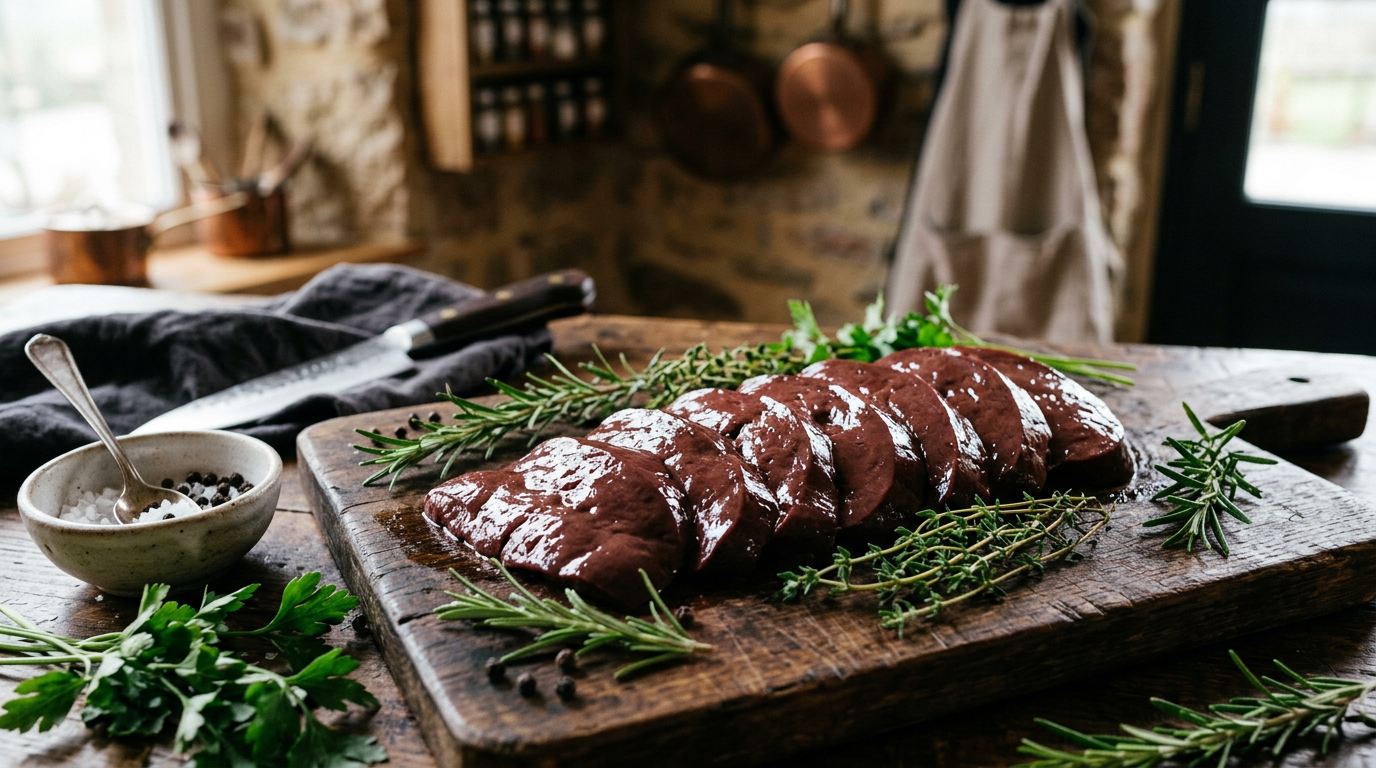
- What is the colour and texture? Quality liver should show a deep, rich reddish-brown colour with a smooth, glossy surface. Avoid dull liver, dark spots, or slimy texture.
- How is it packaged? Vacuum-sealed packaging maintains freshness best, especially for frozen liver.
For more expert guidance, WebMD’s article on liver covers health benefits and safety in detail. WebMD’s guide to organ meat also provides a broader perspective on offal nutrition.
Nutritional Benefits of Beef Liver
Understanding the nutritional powerhouse of beef liver can strengthen your motivation to find a quality source. When people ask where can I get beef liver, they often want its impressive nutritional profile. A 3.5-ounce (100-gram) serving contains approximately 135 calories and 20 grams of high-quality protein. It has less than 4 grams of fat. The real story lies in the micronutrients, though.
Beef liver is one of the most concentrated food sources of vitamin B12 on the planet. A single serving provides over 3,000% of the daily recommended intake. According to Dr. Axe’s guide to vitamin B12 foods, beef liver ranks as the number one source of this essential nutrient. B12 supports energy production, neurological function, and red blood cell formation. Liver also provides extraordinary amounts of preformed vitamin A (retinol). A serving delivers over 600% of the daily value. Retinol from liver is immediately bioavailable, unlike plant-based provitamin A, which the body must convert first.
Beyond B12 and vitamin A, beef liver offers excellent amounts of riboflavin, folate, iron, copper, choline, and CoQ10. The iron in liver is heme iron, which the body absorbs far more easily than non-heme iron from plants. For a deeper dive, check out our article on grass-fed beef liver benefits.
Tips for First-Time Beef Liver Buyers
If you are new to buying and cooking liver, the process can feel intimidating. Here are some practical tips to help you get started:
Start small. Buy a small amount of liver for your first purchase. Half a pound or less lets you test the waters without a large investment. If you enjoy it, buy more and freeze extras.
Choose calf’s liver for a milder introduction. If you worry about the strong flavour, try calf’s liver first. Its milder taste and tender texture make it more approachable for beginners.
Soak before cooking. Soak liver in milk or lemon water for 30 to 60 minutes before cooking. This mellows the flavour and tenderises the tissue. This simple step can make a dramatic difference.
Don’t overcook. Liver becomes tough and grainy when overcooked. Aim for a quick sear — just a few minutes per side. Leave the centre slightly pink. For detailed instructions, our guide to cooking beef liver walks you through the process.
Pair with strong flavours. Onions, bacon, garlic, and herbs complement liver beautifully. Acidic ingredients like lemon juice or balsamic vinegar also help balance its richness.
How to Store Your Purchase Properly
Once you find a great source and bring your beef liver home, proper storage is essential. Store fresh liver in the refrigerator at 40°F (4°C) or below. Use it within one to two days of purchase. If you cannot cook it within that timeframe, freeze it immediately. To freeze liver, wrap it tightly in freezer paper. You can also use a vacuum-sealed bag. Remove as much air as possible to prevent freezer burn. Properly frozen liver maintains quality for four to six months.
When ready to use frozen liver, thaw it overnight in the refrigerator. Avoid thawing at room temperature or in warm water. This promotes bacterial growth and compromises texture. Once thawed, cook the liver within 24 hours. Do not refreeze it. If you buy a larger quantity, divide it into individual portions before freezing. This way you thaw only what you need.
The Environmental and Ethical Case for Nose-to-Tail Eating
Beyond nutrition, a compelling environmental and ethical argument supports eating beef liver. When you choose organ meats, you support the full utilisation of the animal. This reduces food waste and honours the animal’s life. In modern meat processing, a significant portion of each carcass goes to waste. Liver, heart, kidneys, and other organs often end up discarded or rendered into animal feed. Consumer demand for these cuts remains limited. By asking where can I get beef liver and buying it, you help create a market for nutrient-dense cuts. You encourage more sustainable meat production.
When you source liver from grass-fed, pasture-raised cattle, you support farming systems that benefit the environment. Pasture-based farming promotes soil health, biodiversity, and carbon sequestration. Regenerative practices enhance these benefits further. This contrasts sharply with feedlot operations, which contribute to soil degradation, water pollution, and greenhouse gas emissions. To learn more, our article on regenerative organic grass-fed beef delivery explores the topic in depth.
Common Mistakes to Avoid When Buying Beef Liver
As you navigate the question of where can I get beef liver, watch out for several common pitfalls. First, do not assume all liver is the same. The nutritional quality and safety of liver varies dramatically. It depends on how farmers raised the animal. Always prioritise grass-fed and organic sources. Second, avoid buying liver that has sat in a display case for too long. Liver degrades quickly. Old liver will have a compromised flavour and texture.
Third, do not overlook packaging. Loosely wrapped liver or non-vacuum packaging leads to freezer burn and oxidation. Look for vacuum-sealed products. Or wrap your own liver tightly before freezing. Finally, do not feel discouraged if your first experience disappoints you. The source quality, freshness, and cooking method all affect the final result. Experiment with different sources and preparations until you find what works.
Conclusion: Your Path to Quality Beef Liver
Answering the question where can I get beef liver does not have to be complicated. You might visit your local butcher, browse a farmers market, or order from an online retailer. You could also stock up at your neighbourhood supermarket. The key is to prioritise quality, transparency, and sustainability. Grass-fed, organically raised beef liver is one of the most nutrient-dense foods available. It offers an unparalleled concentration of vitamins, minerals, and beneficial compounds.
Take the time to find a reliable source. Learn how to select, store, and prepare liver. You are making an investment in your health that pays dividends far beyond the dinner table. The resurgence of nose-to-tail eating is not just a trend. It is a return to a way of eating that nourishes the body and respects the animal. So the next time someone asks where can I get beef liver, you will have a comprehensive answer ready.
Ready to experience the nutritional power of grass-fed organ meats? Explore our Organic Offal Box. Or browse our full range of organic meat bundles. Find premium, pasture-raised cuts delivered straight to your door. For more on grass-fed beef benefits, check out our article on grass-fed beef benefits. You can also read our guide to finding organic beef near you.
